Maintenance & renewal
Can you recoat over an old ceramic coating?
Sometimes, but a fresh additional layer, a compatible maintenance topper and replacing an aged coating are different jobs. Follow the instructions for the products involved. If you do not know what is on the paint or whether it is suitable for recoating, identify and assess the surface before applying another cured coating.
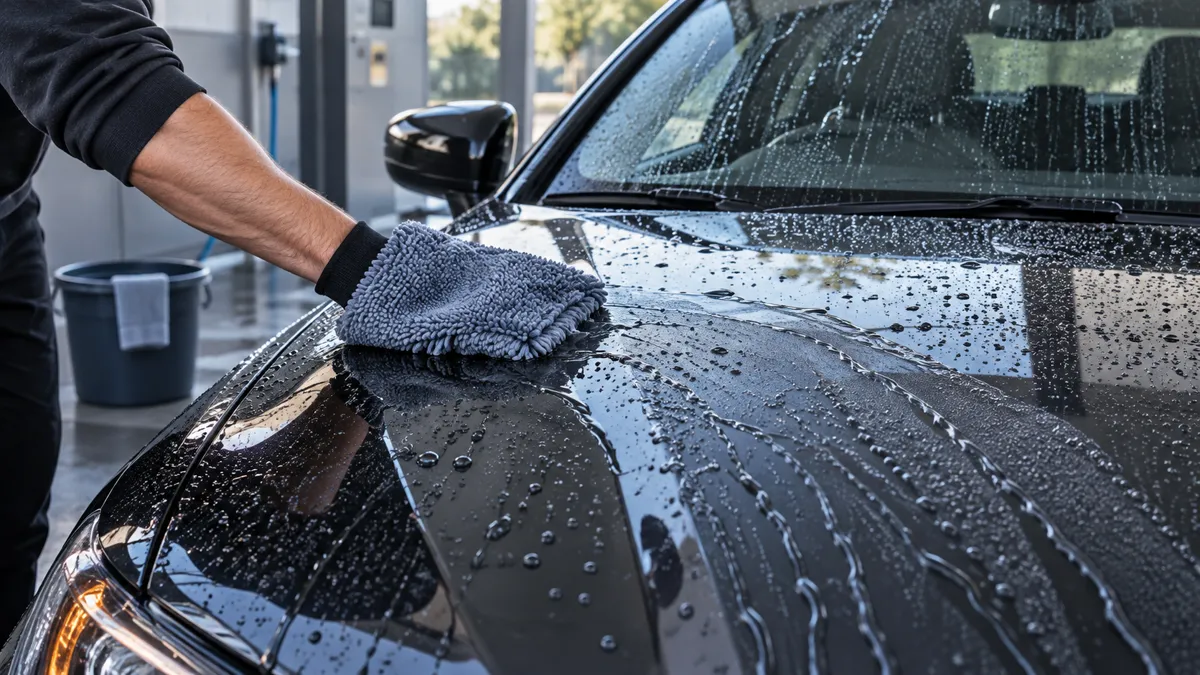
Identify the coating
Start with installation records and the exact manufacturer instructions.
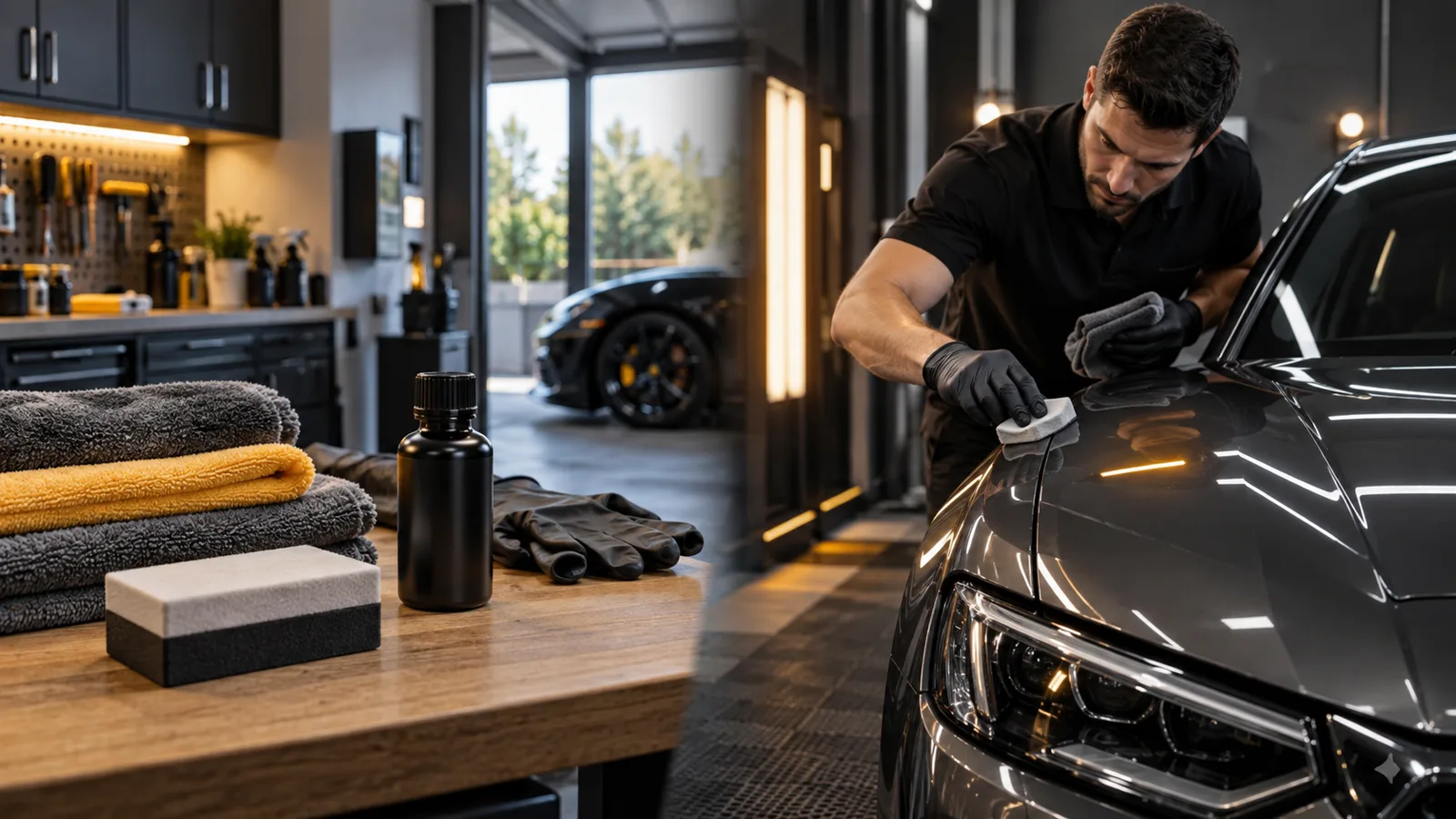
Assess the surface
Contamination, scratches and remaining protection need different treatment.
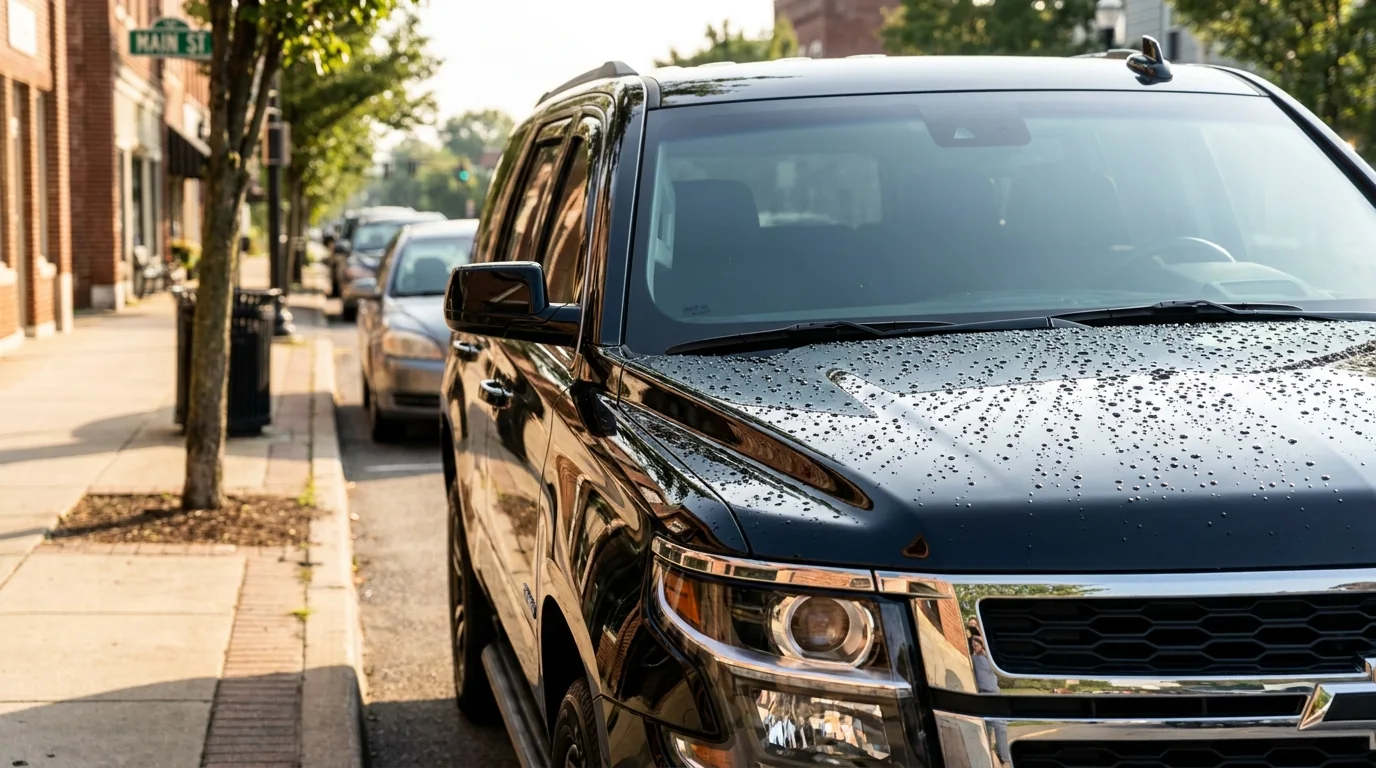
Choose the process
A maintenance topper, an additional layer and full replacement are different jobs.
In this guide 6 sections
Swipe the table to compare the options →
| Situation | Reasonable next step | Check before proceeding |
|---|---|---|
| Fresh installation with another approved layer | Follow the specified layering process | Exact products, application window and preparation. |
| Working coating that needs routine care | Wash and inspect; use compatible maintenance if needed | A topper is not automatically required. |
| Reduced beading or roughness | Identify and treat contamination appropriately | Water behavior alone does not prove coating failure. |
| Aged or unknown coating; new system planned | Ask the new product maker or installer about preparation | Removal or polishing may be needed; do not assume compatibility. |
| Defects requiring polishing | Assess paint and the least aggressive suitable correction | Polishing can affect existing protection, so plan what follows. |
Identify the product before deciding to recoat
Find the invoice, installer handover sheet or bottle name. Record the installation date, any toppers used and the maintenance history. A brand name alone may not identify the coating or its permitted layering process.
Ask the original installer what was applied to each surface. Paint, film, wheels and glass may carry different products. If the history is unknown, tell the person assessing the finish instead of guessing from water beading.
An approved additional layer is different from an old coating
Manufacturers sometimes specify a second product or additional layer within a defined installation process. That permission does not mean an unrelated coating can be applied over years of contamination and wear.
For example, Gtechniq lists an approximately two-hour interval before applying EXO or C2 over freshly applied Crystal Serum Light. That is a specific installation instruction, not a general rule for recoating an aged surface. Check the current directions and ask the manufacturer when conditions differ.
Clean and inspect before diagnosing failure
Wash using the installed product’s care guidance. Inspect the surface after rinsing and drying. Road film, mineral deposits, iron and tar need different treatments, so identify the problem before buying a remover.
A compatible chemical treatment may restore surface behavior if contamination is the cause. It does not establish the thickness or remaining life of the coating. A topper can also change beading without restoring a worn base layer.
- Start with routine cleaning.
- Use a compatible contamination-specific treatment only when needed.
- Reassess appearance and behavior under comparable conditions.
- Ask for an inspection if the problem persists.
Why clay is not a routine coating test
Clay and synthetic clay tools mechanically remove bonded contamination and can mar paint or affect protection. Do not automatically clay a coated car to see whether the coating still works.
When chemical treatment is insufficient and mechanical decontamination is justified, consider the paint condition and what correction or protection will follow. This is a different decision from an ordinary maintenance wash.
Plan preparation for a replacement coating
Use the new coating’s preparation instructions and assess the existing finish. Appropriate polishing may be needed to remove defects or incompatible protection, but the required process cannot be determined from age alone.
Do not chase complete defect removal on thin, compromised or previously repaired paint. A professional can assess what improvement is realistic. Agree on covered panels, residue removal, application and cure arrangements before work starts.
Ask what the reapplication quote includes
A recoat price may include only maintenance, or it may include substantial decontamination and correction before a new system. Ask which job is being proposed and why.
Get the exact product, panel list, preparation scope, cure conditions and warranty in writing. Do not add a separate correction median to a package that already includes correction. Keep the product and maintenance records for the next inspection.
Professional installation
Know what goes into your quote.
Compare local installers, then ask about the exact product, preparation and covered surfaces.
Sources and review notes
This guide uses manufacturer instructions and, where relevant, our catalog of advertised prices. Manufacturer durability claims are not our own test results. Follow the instructions for your exact product.
- Gtechniq: Crystal Serum LightProduct-specific application conditions and advertised durability.
- CARPRO: coating instruction manualsProduct-specific preparation, application and curing instructions.
- Gtechniq: washing a coated carManufacturer guidance on washing, drying and maintenance.