How Much Does a Ceramic Coating Cost (2025)?
You’ve seen it all. The $50 spray bottle at the auto parts store promising a “ceramic shine,” and the local high-end detailer quoting you $3,000. The price range is confusing, and it leaves car owners asking one simple question: how much should I actually pay for a ceramic coating?
Let’s cut through the noise. When you invest in a professional ceramic coating, you are not paying for the liquid in the bottle. You are paying for the meticulous, multi-day labor of a skilled professional to permanently transform and protect your vehicle’s paint. It’s a service, not just a product.
This guide will break down every factor that goes into the price, from the intensive prep work to the different types of coatings, so you can understand exactly what you’re paying for and how to identify a fair, value-driven quote.
| 1-2 Year Coating | 5-7 Year Coating | 9+ Year Coating | |
|---|---|---|---|
| Coupe/Sedan | $950 – $1,600 | $1,600 – $2,600 | $2,600+ |
| SUV/Truck | $1,200 – $1,900 | $1,900 – $3,200 | $3,200+ |
Note: These are national averages for a complete, professional service. Prices vary significantly based on vehicle condition, location, and the detailer’s expertise. We will break down why in the sections below.
The 80% Rule: Why Paint Correction is the Real Cost
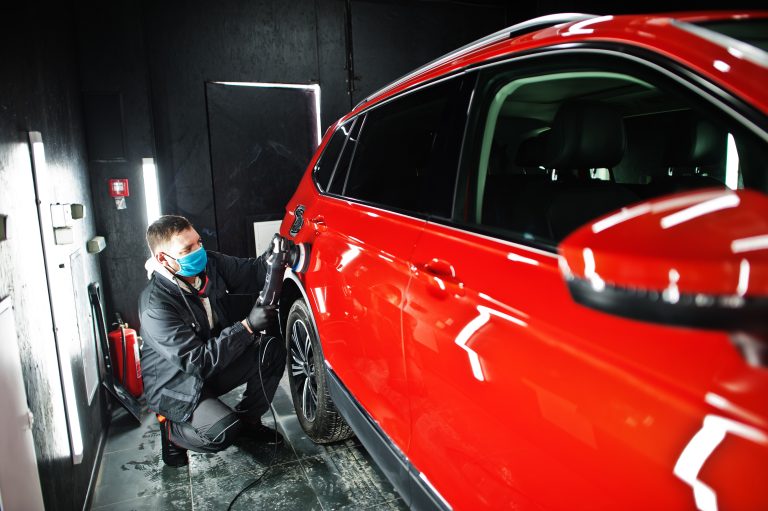
The single biggest factor determining the cost of a ceramic coating is paint correction. A true ceramic coating is a semi-permanent layer that locks in the condition of your paint. Applying it over swirls, scratches, and imperfections would be like framing a dirty picture—it would just preserve the flaws forever.
Think of it as the foundation of a house. The more time spent creating a perfect foundation, the better and longer-lasting the final result will be. This prep work, which involves machine polishing the paint to a flawless state, typically accounts for 70-80% of the total cost and time of the entire service.
The Levels of Paint Correction
-
Level 1: Decontamination & Clay BarThis is the absolute minimum prep required. It involves a multi-stage wash, a chemical decontamination to remove iron particles (from brake dust) and tar, and a clay bar treatment to remove any remaining embedded contaminants. This step alone can take 2-3 hours.
-
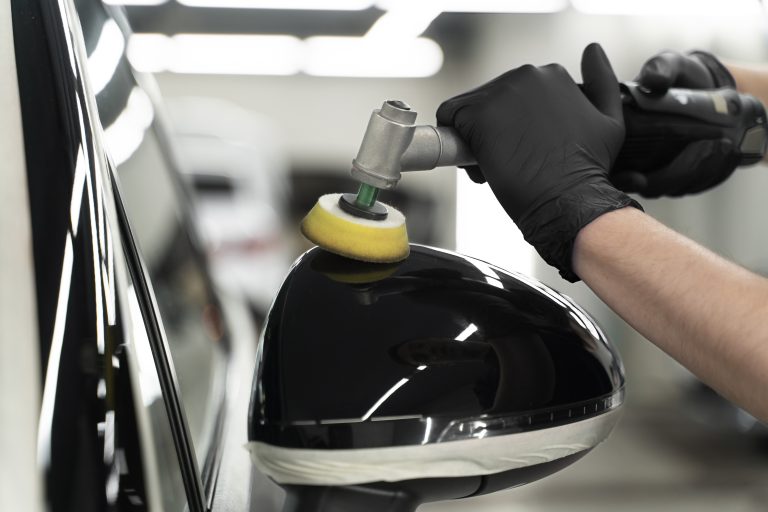
Level 2: One-Step Polish (Paint Enhancement)This is the most popular level of prep. After decontamination, a professional uses a machine polisher with a fine-finishing polish to remove 60-70% of light defects like swirl marks. It dramatically enhances gloss and is the sweet spot for value. (Adds 4-8 hours of labor)
-
Level 3: Two-Step+ Correction (Perfection)This is the “reset button” for your car’s paint. It’s a multi-stage process using abrasive compounds and refining polishes to remove 85-95%+ of all defects. This is for the enthusiast who wants a “better than new” result. (Adds 12-20+ hours of labor)
Deconstructing a Professional Quote: The 5 Key Variables
-
1. Vehicle Size & ComplexityIt’s simple geometry. A Ford F-250 has significantly more surface area than a Porsche 718. More surface area means more product used and, more importantly, more time spent on every single step of the process.
-
2. Coating Type & DurabilityA 2-year coating uses a different, less concentrated formula than a robust, pro-grade 7-year coating that may require multiple layers. The longer the warrantied durability, the more expensive the chemical product.
-
3. Vehicle ConditionA 10-year-old daily driver that has only ever seen automatic car washes will require far more intensive paint correction than a brand-new car. The worse the starting condition, the more labor is required.
-
4. Installer’s Skill & OverheadYou are paying for expertise. A world-renowned detailer with a state-of-the-art facility will charge more than a new mobile operator. Their overhead (rent, insurance, tools) and their proven skill are part of the price.
-
5. Geographic LocationA detailer’s cost of doing business in downtown Los Angeles is drastically different from that in a small midwestern town. Labor rates and rent are higher in major metro areas, and pricing will reflect that.
What a Quality Quote Includes (And Red Flags to Avoid)
What to Look For
- A specific, named level of paint correction.
- The brand and durability rating of the coating.
- Clear pricing for optional add-ons (wheels, glass).
- A clear explanation of the warranty and after-care.
Red Flags to Avoid
- “Too-Good-to-Be-True” pricing (e.g., $500 for a 5-year coating).
- Vague descriptions like “Paint Prep & Coating.”
- Focusing on the “magic” brand over the prep process.
- Promising a full coating job in just a few hours.
Ready to Get a Precise Quote?
Now that you understand the costs, the next step is to connect with a trusted, vetted professional. Use our nationwide directory at TopDetailers.com to compare top-rated installers, view their work, and request a free, no-obligation quote.
Find a Vetted Pro on TopDetailers.comSimilar Posts
Pro vs. DIY Ceramic Coating: An Honest Guide to Which is Right for You
You’ve done the research. You know a ceramic coating offers incredible gloss and protection. Then you…
Ceramic Coating vs. Wax: The Definitive 2025 Guide
For decades, the Saturday morning ritual was the same: a bucket, a sponge, and a can…
Can You Re-Apply a Ceramic Coating Over an Old One? (The Pro Guide)
Your ceramic coating has served you well for years. It’s protected your car from the elements…
Is a Ceramic Coating Worth It? An Honest Cost-Benefit Analysis (2025)
After learning that a professional ceramic coating can cost anywhere from $1,500 to over $3,000, it’s…
Ceramic Coating vs. PPF vs. Wax
Choosing how to protect your car’s paint can feel like navigating a minefield of marketing terms….
The 3 Best Random Orbital Polishers for Beginners (2025 Review)
You can have the best ceramic coating and the finest towels, but without one key process,…